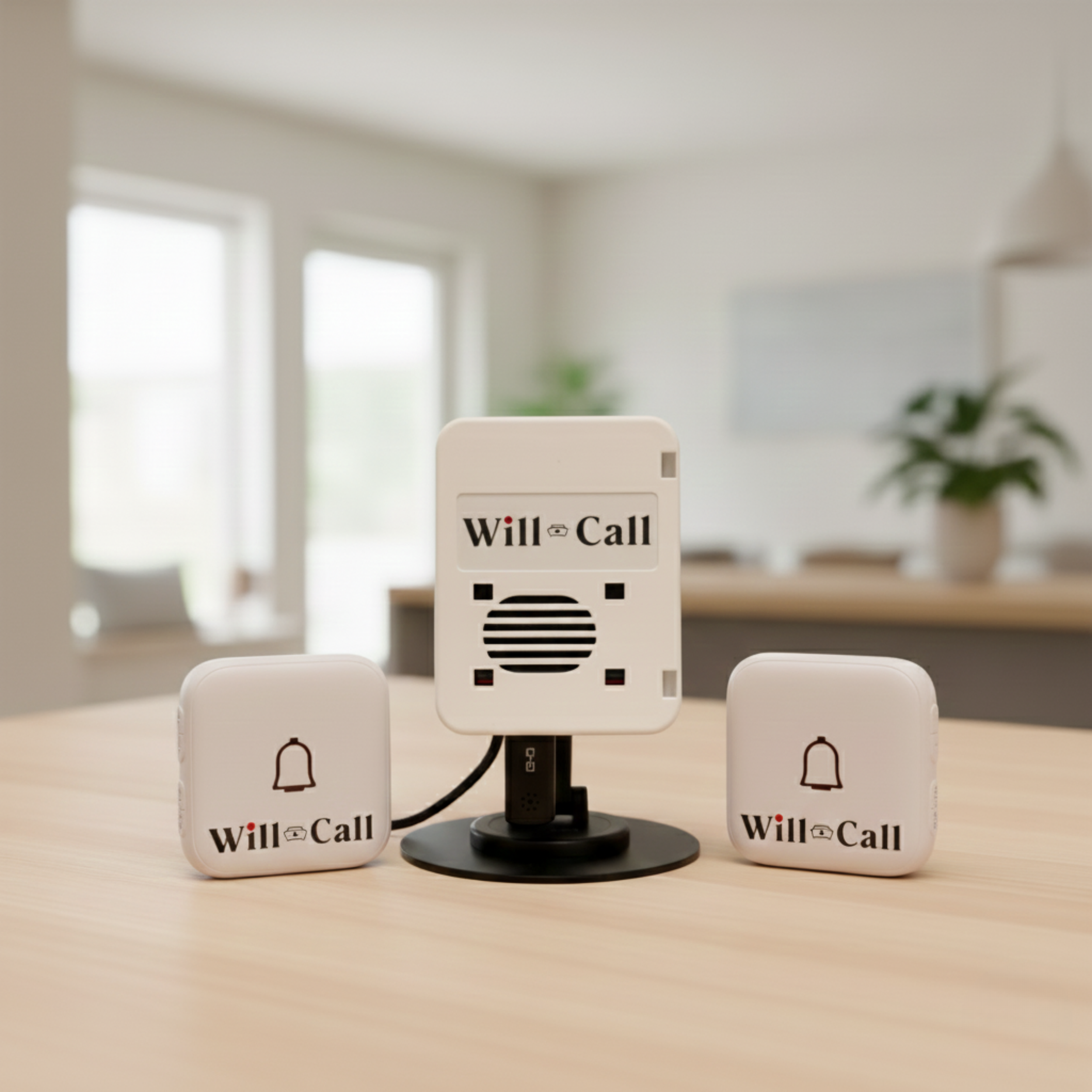
Will-Call Home is a hands-free, voice-activated caregiver alert system.
When your loved ones says “I need help,” Will-Call Home instantly alerts you anywhere in the house.
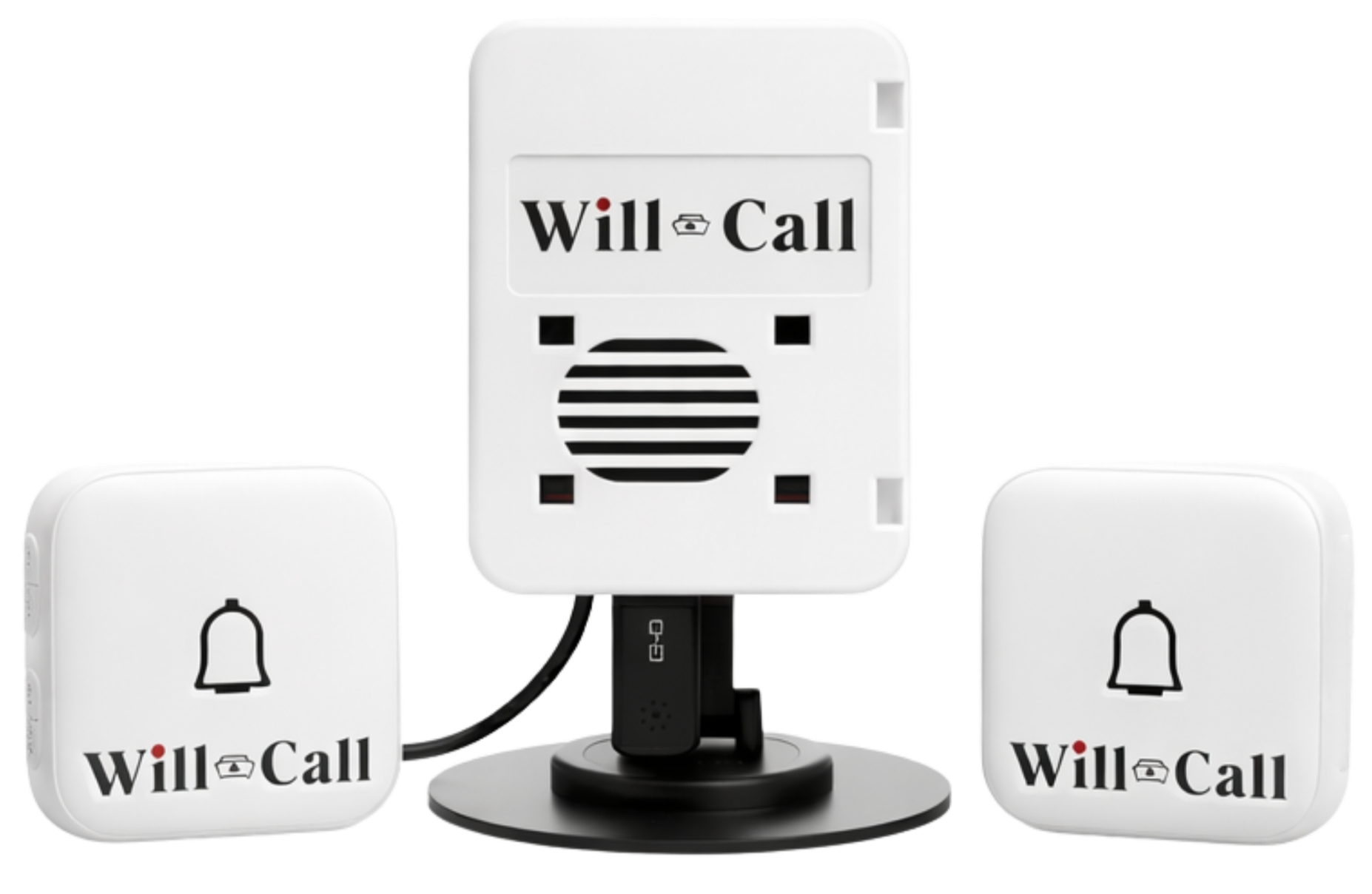
No wearables. No buttons. No Wi-Fi. No subscription.
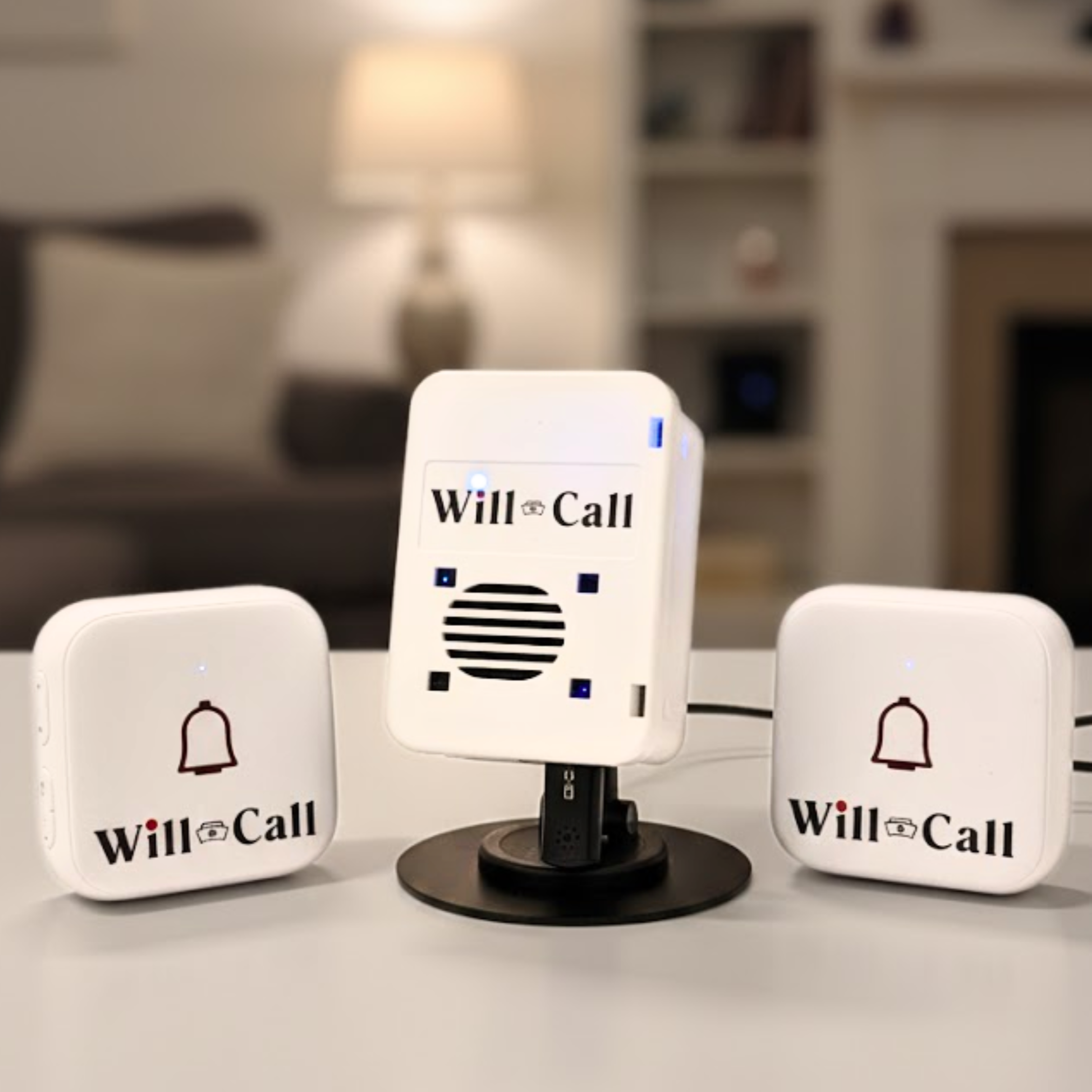
The simplest way to call for help.
Will-Call Home is a voice-activated help-calling system designed for people with physical limitations, allowing caregivers to hear a call for help without constant proximity.
Caregiving at home has always been deeply personal and often improvised.
Will-Call Home formalizes in-home caregiving without turning the home into a clinical space. It creates a clear, consistent way to ask for help that respects independence on both sides — freedom to move, privacy, and dignity, without wearables or constant supervision.
With Will-Call Home, the person who needs help speaks the phrase “I need help,” and the system carries that request through the house by ringing audio alert devices placed in other rooms. The caregiver inside the home hears the alert immediately, without buttons, wearables, or constant monitoring.
How Will-Call Home Works?
Setup Will-Call Home and the audio alert devices
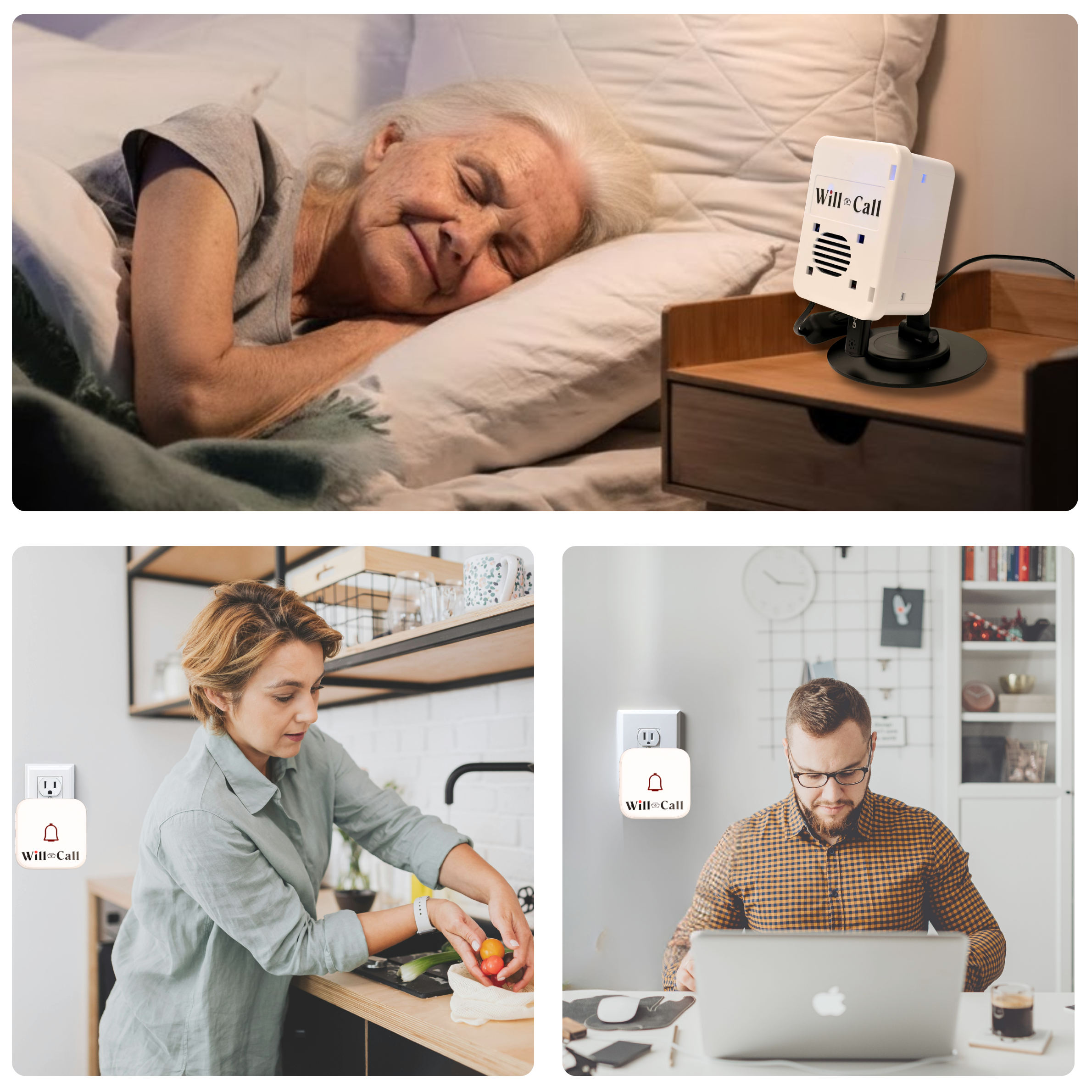
Identify the preferred location for the person in care and place Will-Call (with the display stand) nearby.Choose convenient electrical outlet locations within the house for the audio alerts. You can move these around based on caretaker preferences.
The person in care says, “ I need help” for assistance.
The person in care simply says “I need help.” Will-Call offers hands-free voice control. There’s nothing to wear, nothing to press, and nothing to charge.
Will-Call Home responds to their request.
Will-Call immediately acknowledges the request, saying “Okay, I’ve called someone to help you,” so the person in care knows they’ve been heard.
Caregiver(s) is alerted through audio alerts
When help is requested, the audio alert devices are placed around the house start ringing to alert the caregiver(s). The signal is transmitted clearly clearly through walls and closed doors, without needing to stay nearby or constantly check in.
Designed for Real Caregiving at Home
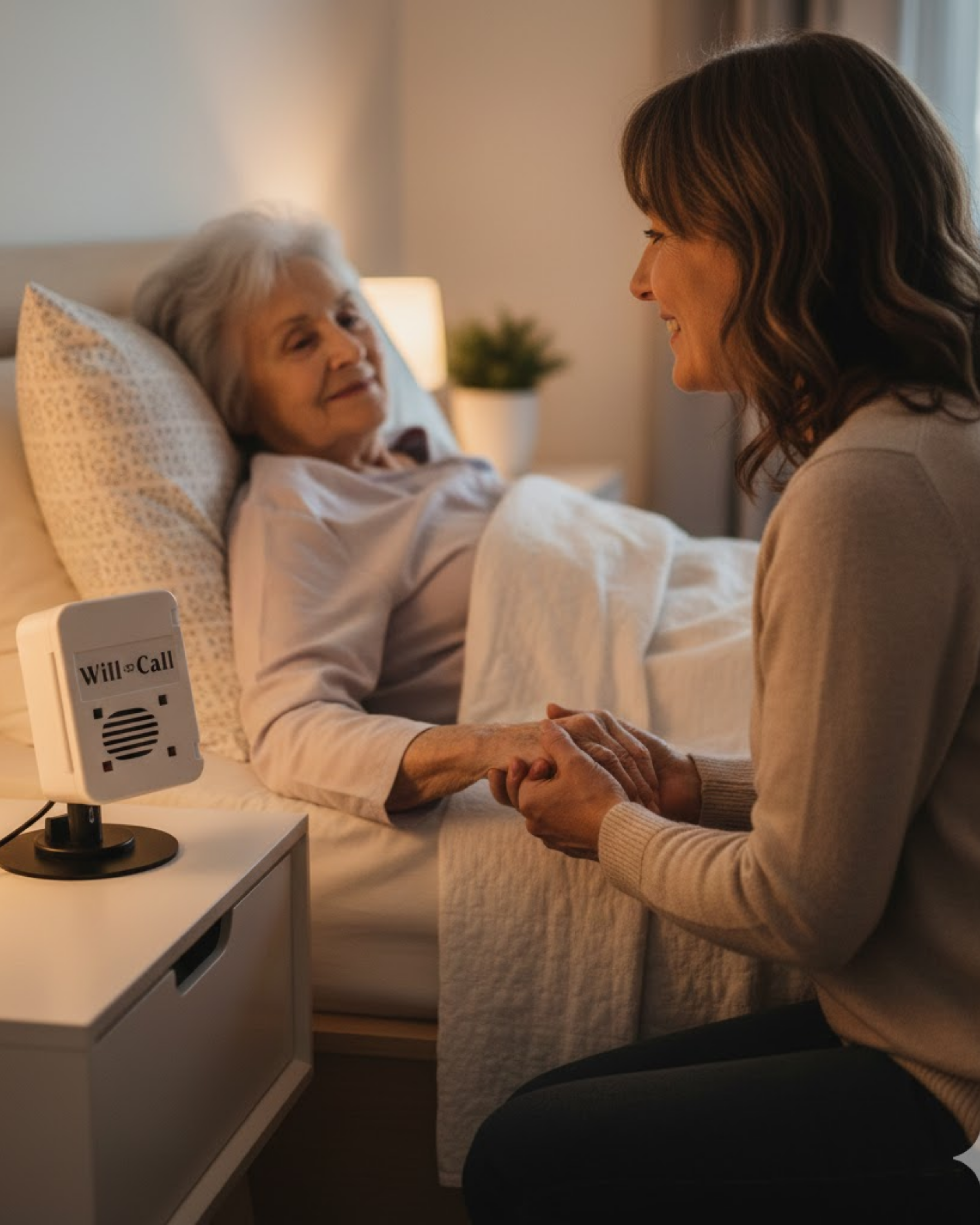
Will-Call Home supports in-home caregiving by making it easy to ask for help and reliable to hear it. It brings structure to everyday care at home while preserving independence and dignity for everyone involved.
-
Help is requested just by saying “I need help”, not pressing. Designed for people with limited mobility or strength. No yelling or hollering for help.
-
The system responds right away to confirm the request has been received - “Okay, I have called someone to help you”. There is no uncertainty in the moment help is needed.
-
Alarm bells placed in other rooms and on other floors make sure a call for help is heard without the need for hovering or constant check-ins. Does not connect to 911
-
Nothing to wear, press, charge, or keep track of — preserving comfort, dignity, and freedom from devices.
-
Works entirely within the home, without internet, subscriptions, apps or monitoring centers.
-
Plug it into electric outlets and it’s ready to use — no setup steps to learn.
Care at home doesn’t follow a schedule, and it doesn’t always look the same day to day. Will-Call Home is designed for real situations - making sure a call for help is heard at home when pressing a button isn’t reliable and where caregivers are present, but not always in the same room.
Will-Call Home is your in-home care companion
Caring for an older adult at home

For families where an older parent lives at home with a spouse, adult child, or co-habiting caregiver.
Caregivers may be in another room, upstairs, or busy with everyday tasks. Instead of calling out and hoping to be heard, Will-Call Home provides a clear way to request help and alert the caregiver anywhere in the house.
Recovery, weakness, or limited movement

For people recovering from surgery, injury, or illness or living with limited strength, coordination, or mobility.
Many people can speak clearly but cannot reliably press a button, reach for a device, or wear one comfortably. Will-Call Home allows help to be requested without pressing, gripping, or holding anything.
Assisted living homes and shared care settings.
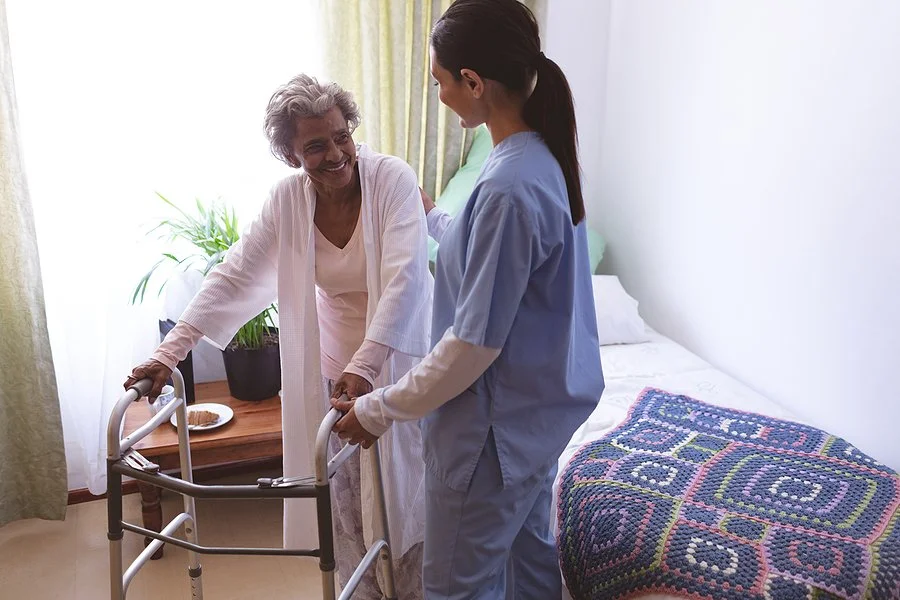
For assisted living homes or shared care environments, caregivers may be nearby but not constantly present in the same space. Will-Call Home provides a clear, reliable way to request help and alert caregivers inside the home, bringing structure to environments where care relies on being heard rather than pressed.
Designed for people who can’t push a button.
Across all of these situations, many people who need help are able to speak but cannot rely on physical actions like pressing, reaching, or holding onto something — including those affected by stroke, paralysis, or limited dexterity. Will-Call Home turns a spoken request into a reliable, house-wide alert so help is heard inside the home. This allows caregivers to go on with their day confidently, knowing they will hear a call for help without staying close or constantly checking in.Across all of these situations, many people who need help are able to speak but cannot rely on physical actions like pressing, reaching, or holding onto something — including those affected by stroke, paralysis, or limited dexterity. Will-Call Home turns a spoken request into a reliable, house-wide alert so help is heard inside the home. This allows caregivers to go on with their day confidently, knowing they will hear a call for help without staying close or constantly checking in.
What You Get with Will-Call Home
Will-Call Home arrives ready to work out of the box, with everything needed to make help-calling reliable at home.
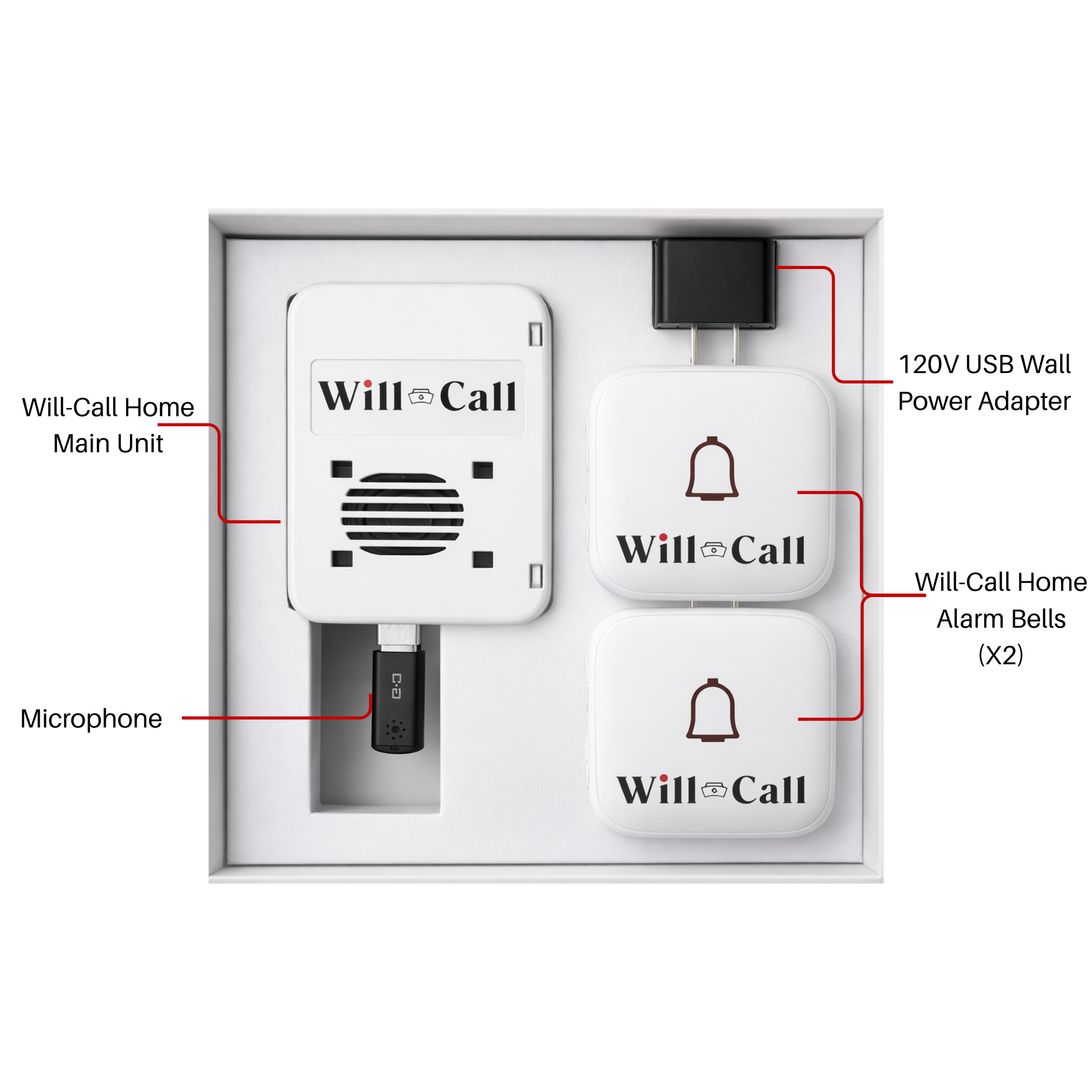
1 Will-Call Home (stand included)
Placed in the room where help may be needed. It listens for the request, confirms it’s been heard, and triggers the alerts.
2 Audio Alert devices
Plugged into outlets in other rooms or on other floors, so the caregiver hears the call for help anywhere in the home.Expandable for your space
Additional audio alert devices can be added to extend coverage in larger homes or multi-level spaces.
Questions About Will-Call Home?
Caregiving decisions come with important questions — about safety, setup, privacy, and how Will-Call Home fits into care at home. We’ve answered the most common ones clearly and honestly.