
What the Will-Call 30-Day Test Drive Actually Involves
How the Will-Call 30-day Test Drive works: what you send, what we ship, and what happens if you keep the device. A step-by-step guide for facilities.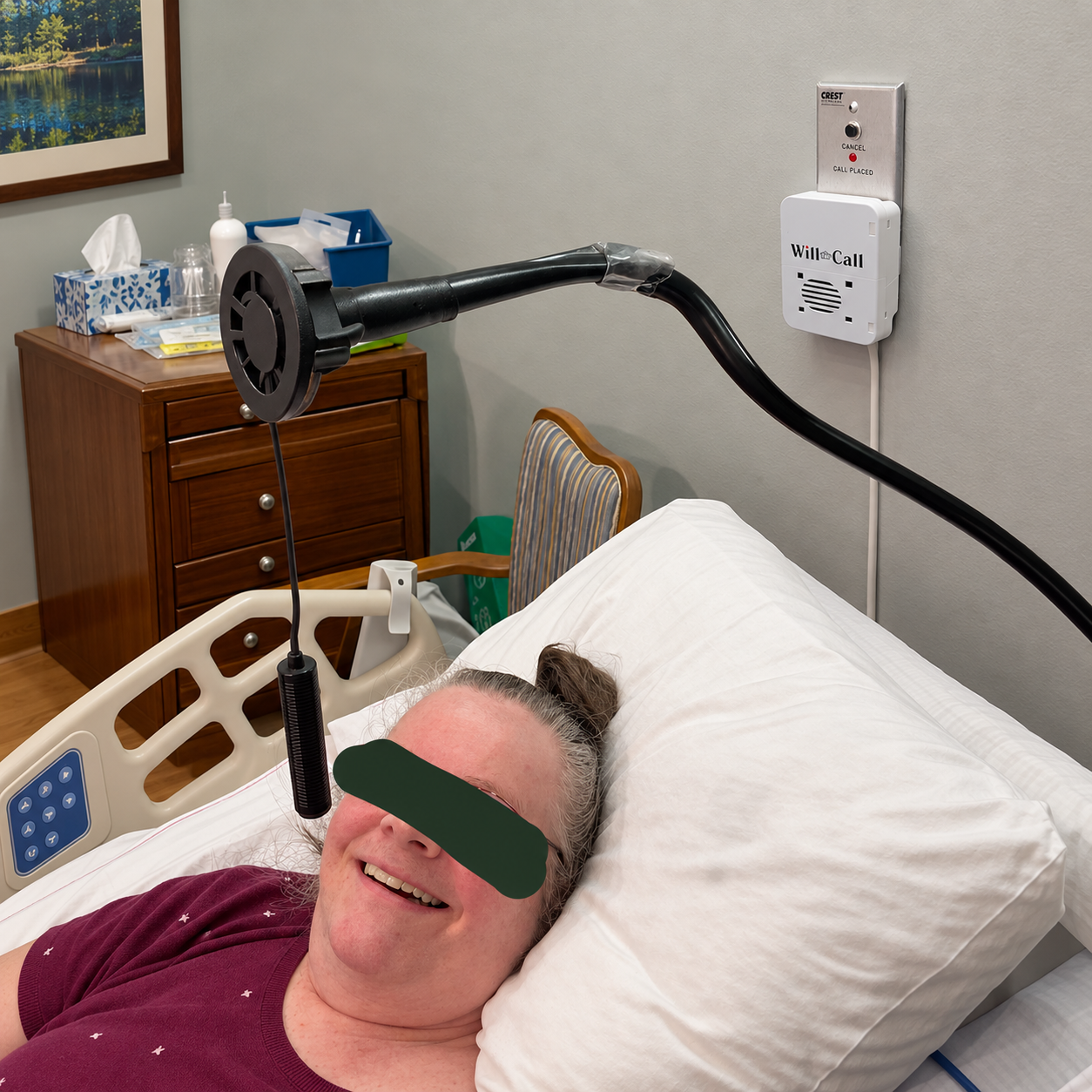
What Real Will-Call Deployments Have in Common: Patterns From Facilities Using Voice-Activated Nurse Call
See the patterns across real facilities using voice-activated nurse call: the residents, the buyer roles, the setup adjustments, and the compatible systems.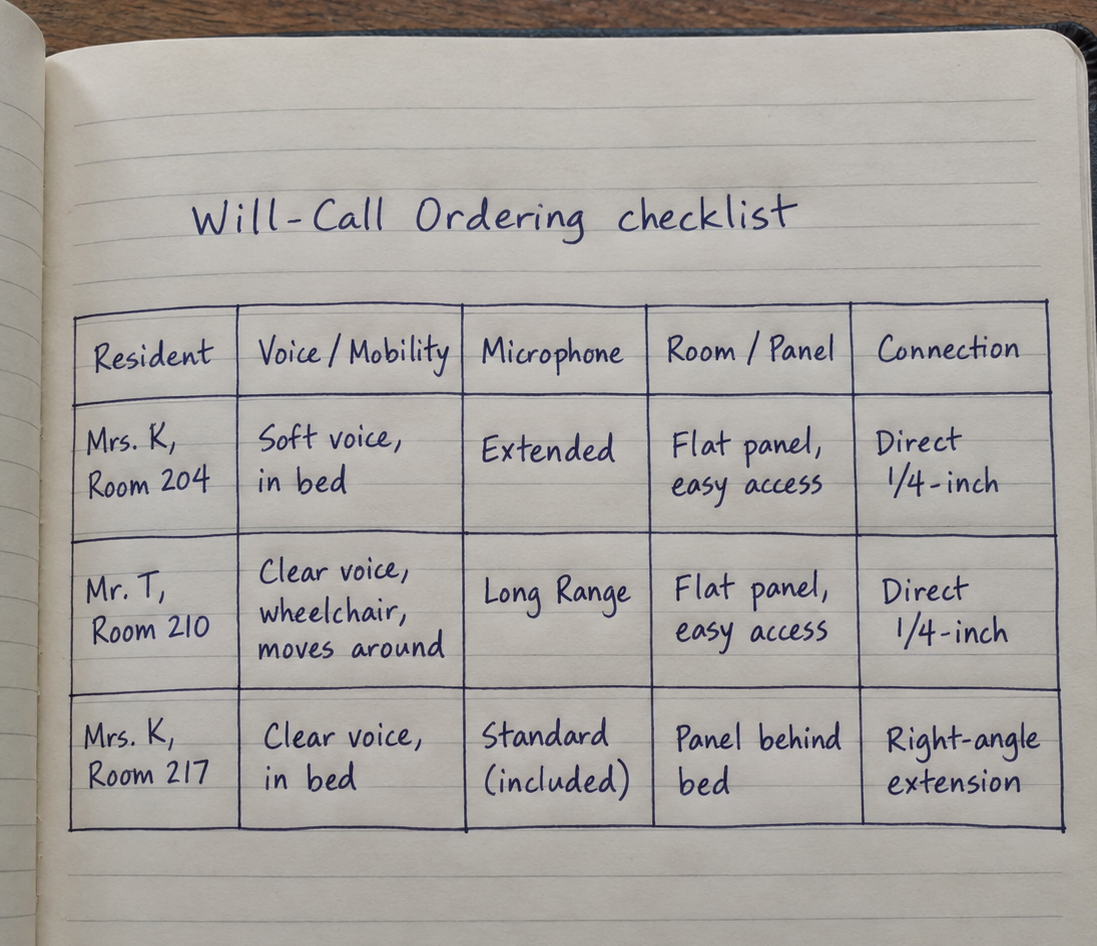
What to Check Before Ordering Will-Call
A short guide to the resident and room questions to answer before you order Will-Call, so the microphones and connections you choose match your floors.
Call Light Access for Residents with Quadriplegia: A Practical Guide for Care Teams
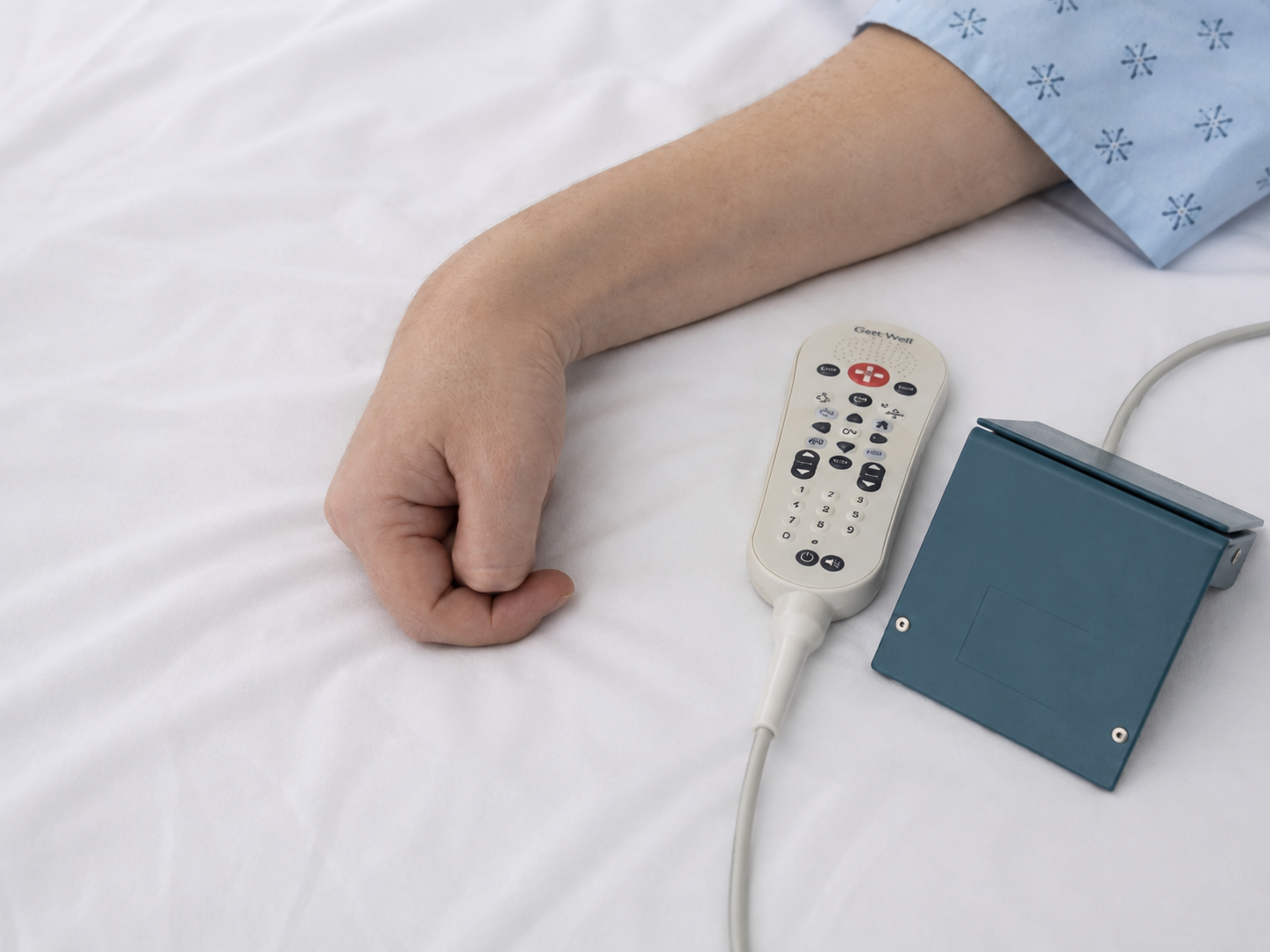
How care teams can evaluate call access for residents with quadriplegia, compare sip-and-puff, switches, and voice access, and decide what fits.
Is Will-Call Right for This Resident? A Suitability Guide for OTs and Rehab Teams
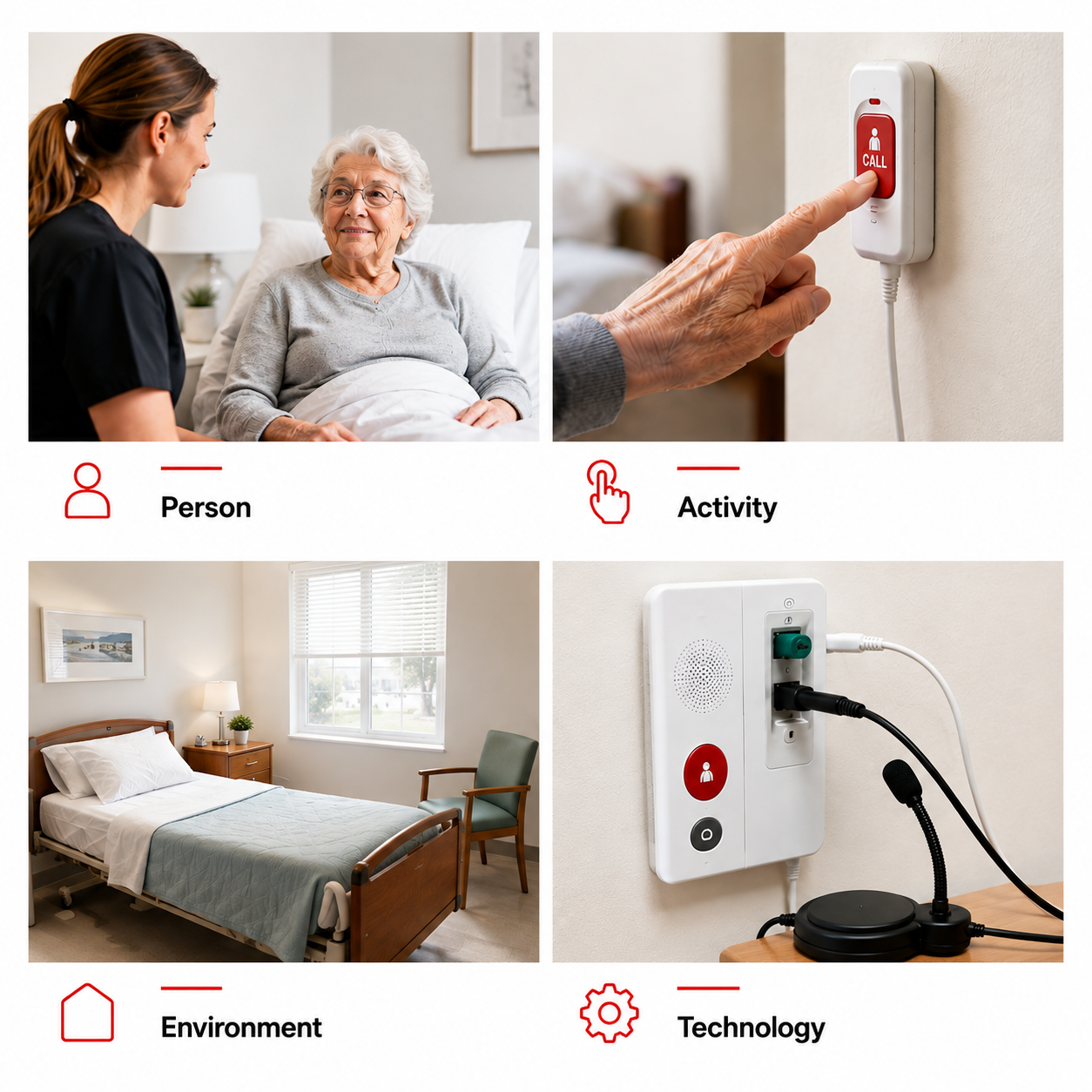
A clinical suitability guide for OTs and DONs deciding whether voice-activated nurse call fits a specific resident, including AAC and soft-speech options.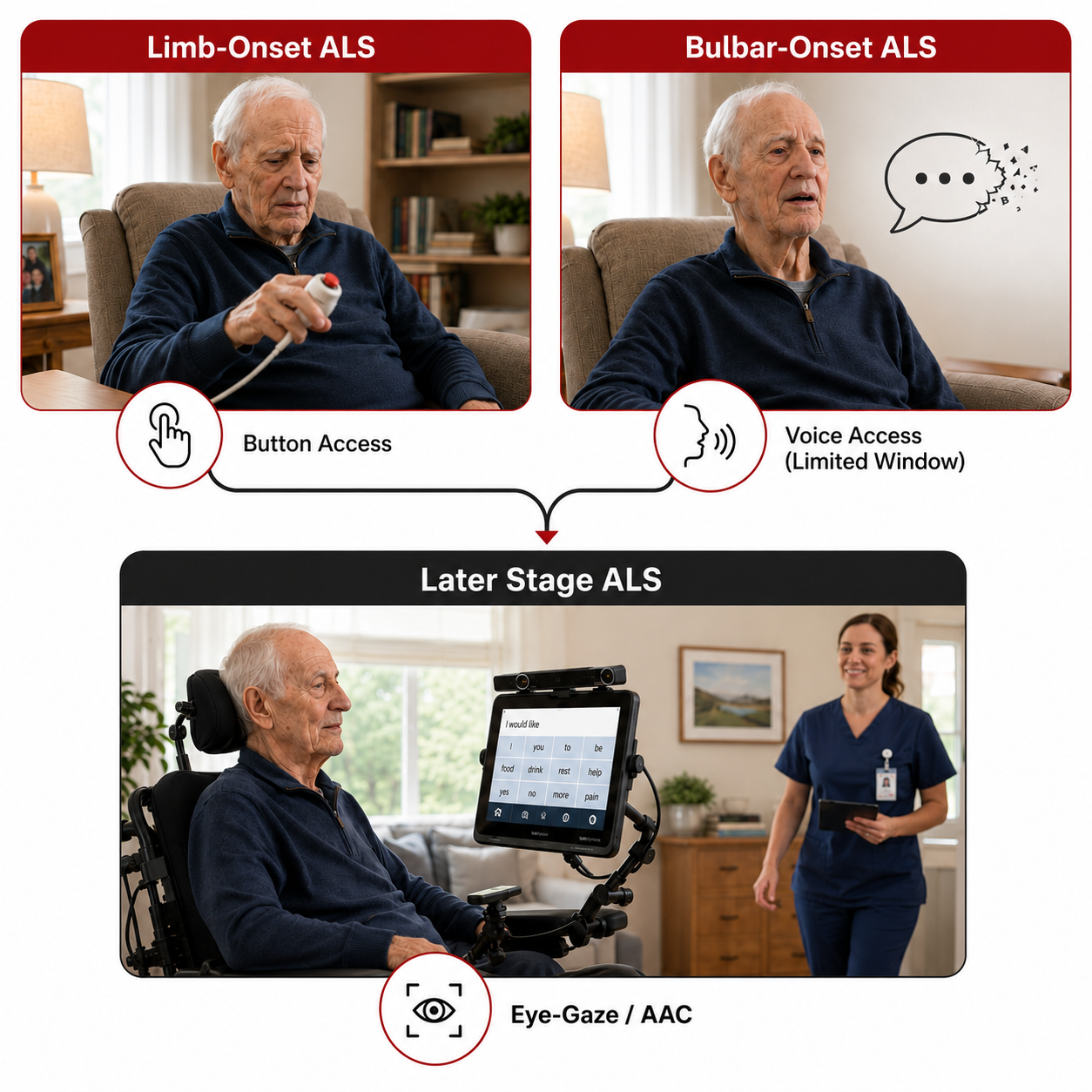
Call Light Access for Residents with ALS: A Stage-by-Stage Plan for Care Teams
How call button needs change as ALS progresses, including options for late-stage residents who have lost both hand function and natural speech.
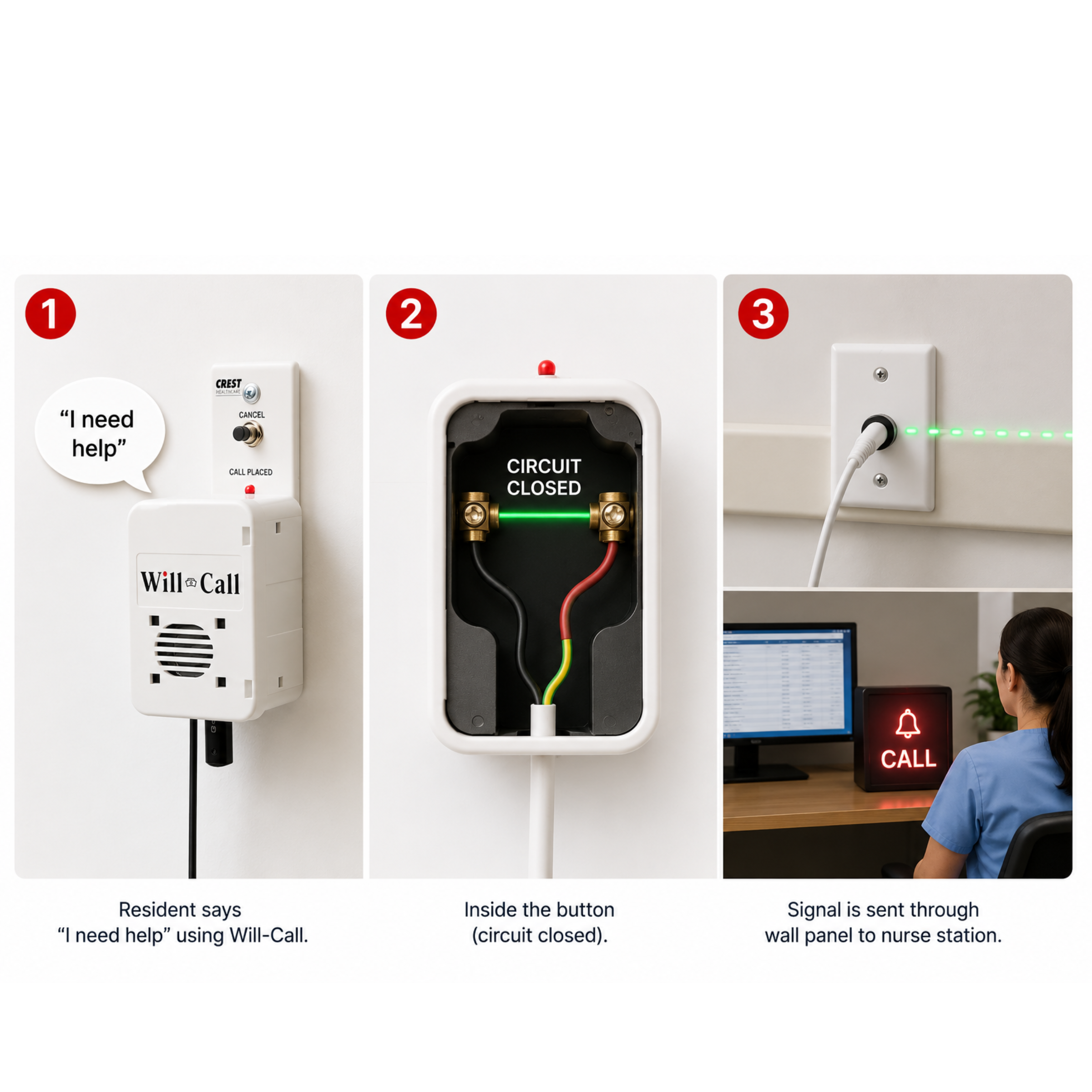
How Will-Call Is Different from a Standard Nurse Call Button
Will-Call is a voice-activated nurse call device that plugs into the same jack a standard call button uses and closes the same circuit. Here is what changes and what does not.
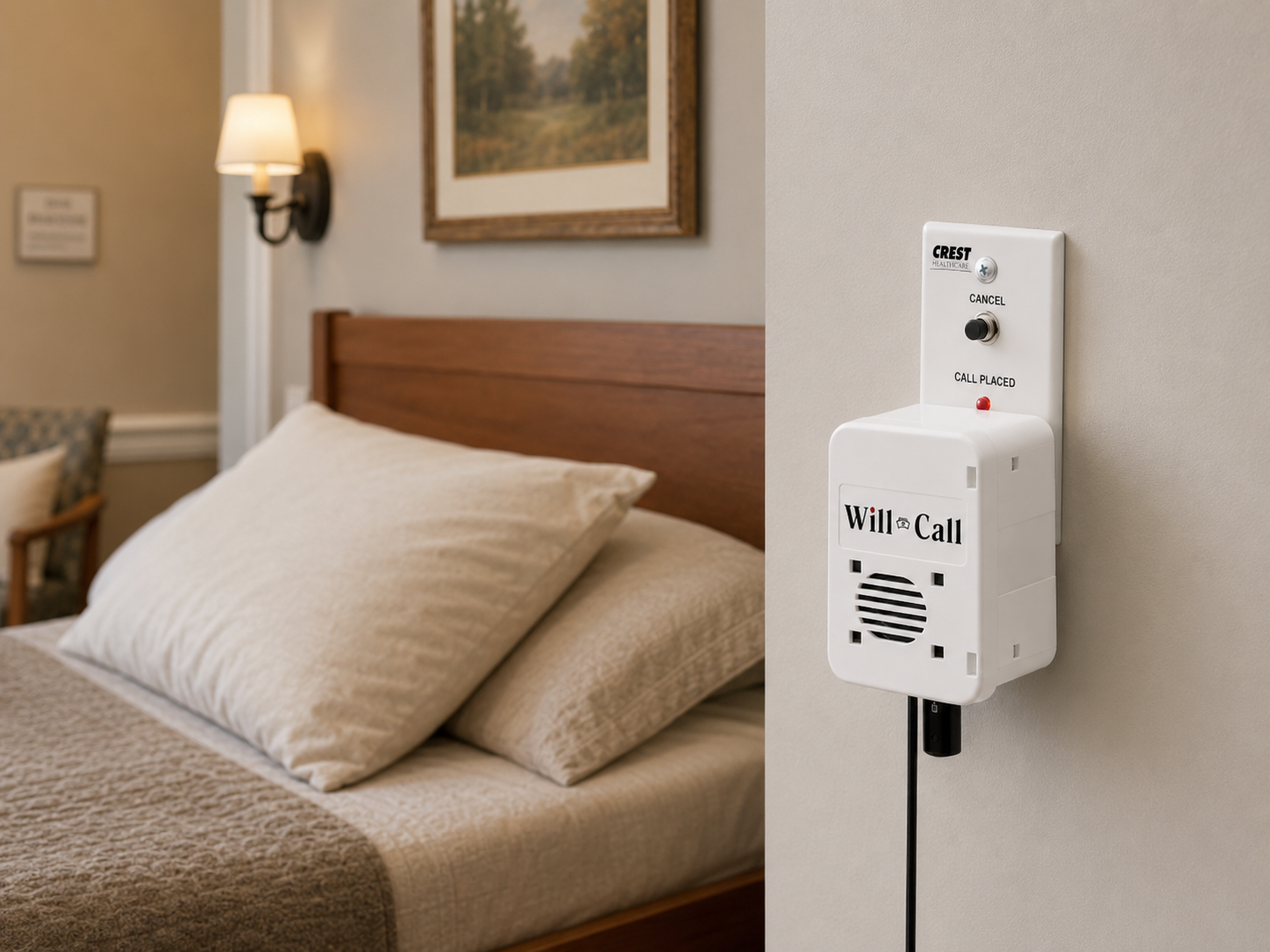
What Is Will-Call? A Voice-Activated Nurse Call Accessory Explained
Will-Call is a voice-activated nurse call accessory that works with your existing system. No Wi-Fi, no app. Here's how it works and who it's for.
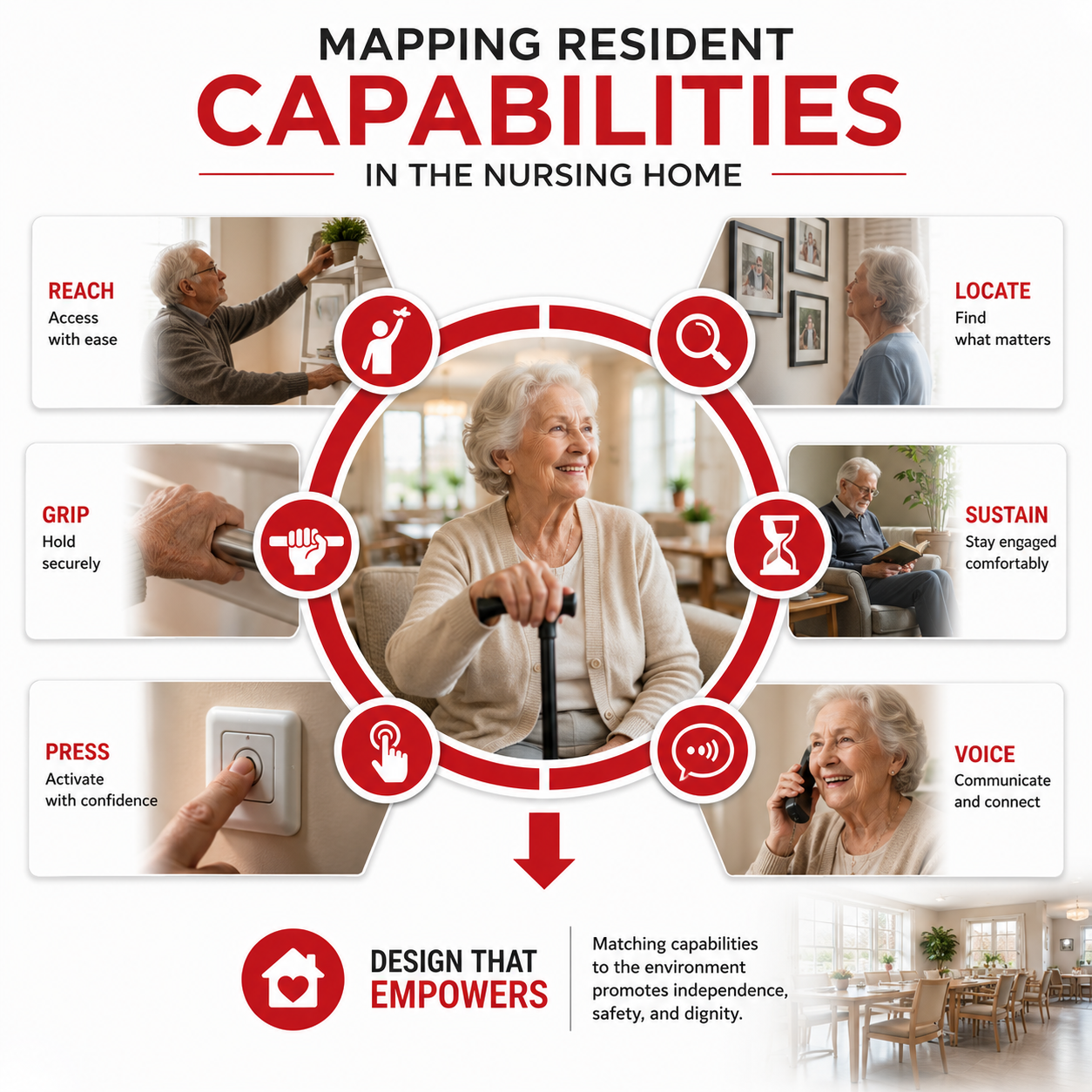
Call Button Alternatives for Residents With Parkinson's, Stroke, and Limited Mobility.
Compare adaptive call options for residents with Parkinson's, stroke, or limited mobility. A capability-first guide for OTs and directors of nursing.
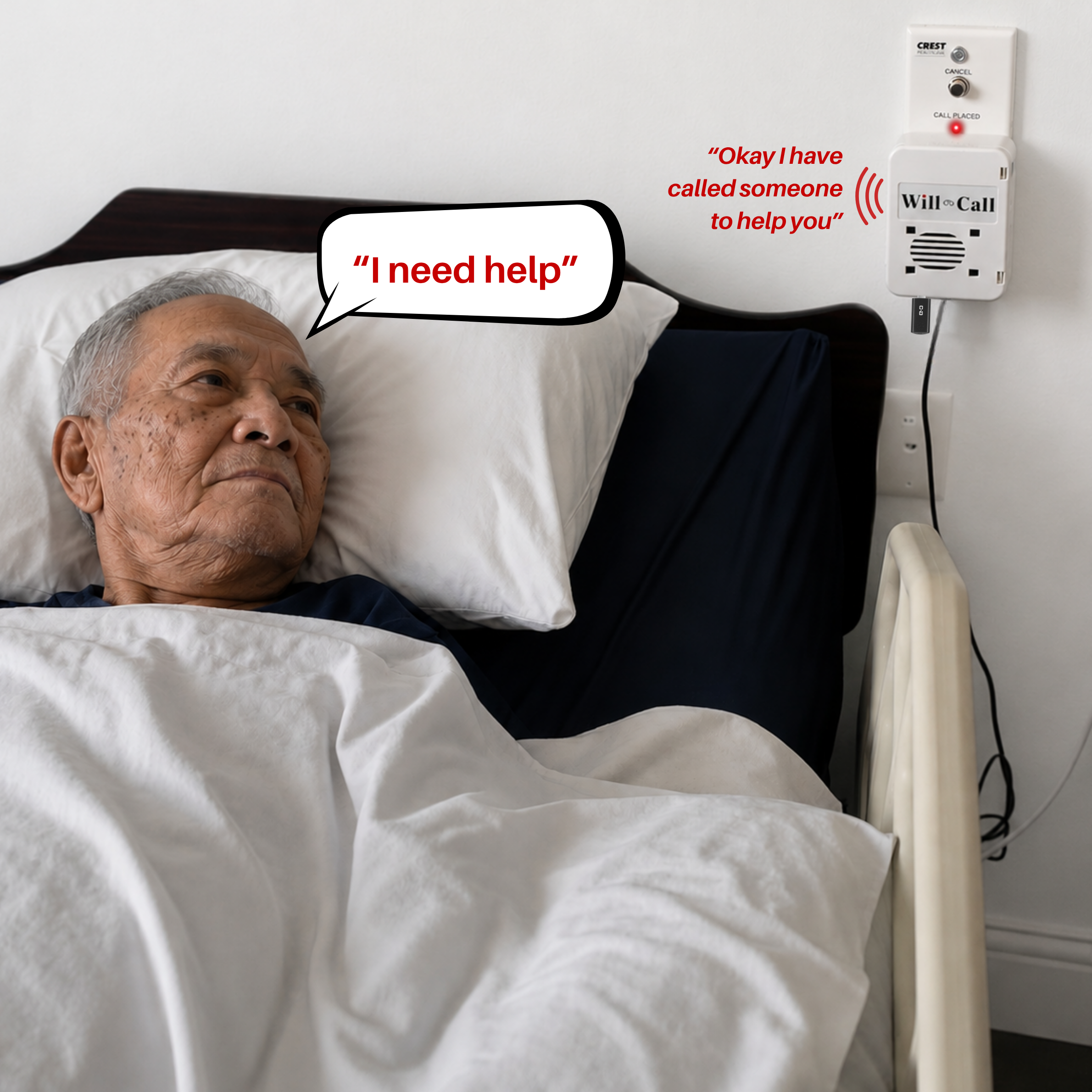
What Is a Voice-Activated Nurse Call Device?
Learn what a voice-activated nurse call device is, how it works, who it is designed for, and how it handles real-room noise like TV and conversation.
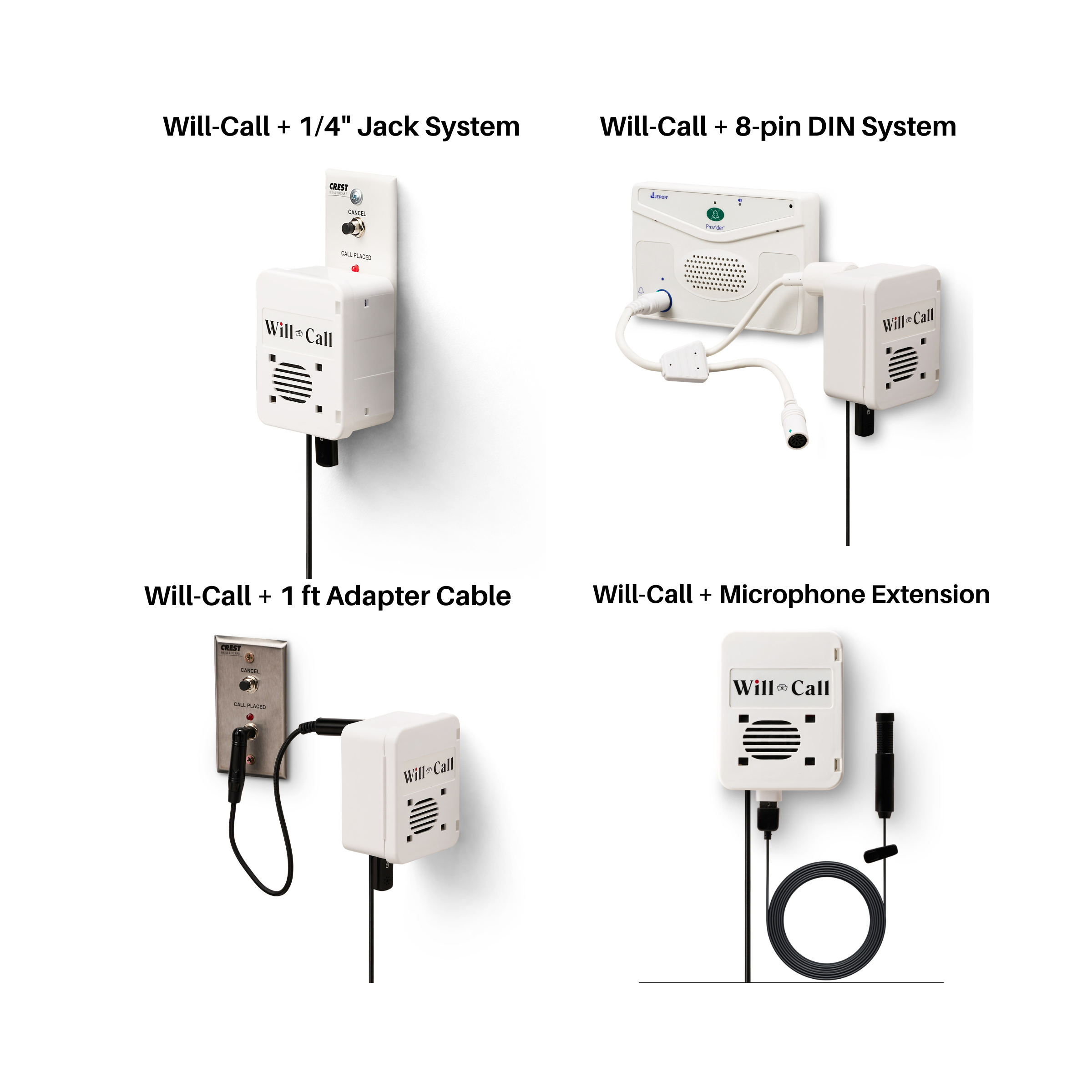
How Will-Call Plugs Into an Existing Nurse Call System
This guide is for maintenance leads, directors of nursing, and IT or biomed contacts who need to confirm whether Will-Call will physically work in their rooms before ordering. It explains what Will-Call plugs into, what stays the same in your existing setup, and what to check before placing an order.
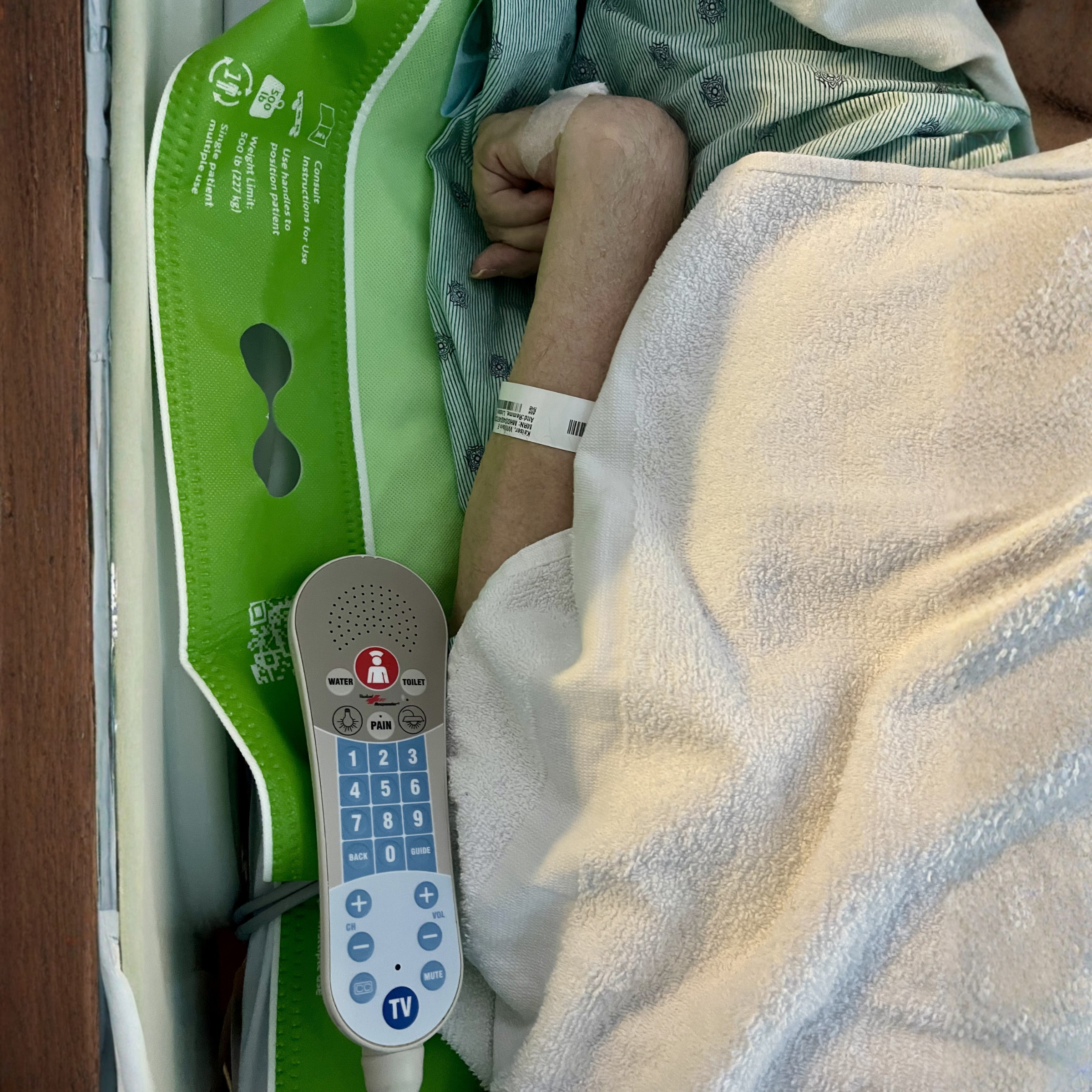
What to Do When a Resident Can't Press the Call Button
A practical guide for nursing leaders on what to assess and what access options to consider when a resident cannot reliably press the standard call button.

How to Talk to Your Facility About a Different Call Button Option for Your Loved One
If your loved one cannot reliably press, reach, or locate the standard call button, you can ask the facility to evaluate alternate call button options. Start with the social worker, director of nursing, or case manager. Bring specific observations, a short list of questions, and one or two examples of access options (like repositioning, adaptive switches, or a voice-activated nurse call accessory). The conversation works best when it is framed as a partnership with the care team, not a complaint.